Abrazive acoperite
Coated abrasives are abrasive grains that are bonded to a flexible or semi-flexible backing using adhesives or a resin binder. The most common types of backing material used for coated abrasives include paper, cloth, fiber, and film. Coated abrasives are used for a wide range of applications, including sanding, grinding, polishing, and deburring. They are available in a wide range of shapes, sizes, and grits to suit different materials and requirements.
Coated abrasives are highly durable and can withstand significant wear and tear without losing their abrasive properties. This makes them ideal for use in high-volume production environments where frequent use is required.
Cost-effective


24h online service
We try and respond to all concerns within 24 hours and our teams are always at your disposal in case of any emergencies.

The abrasive material used in coated abrasives determines its cutting power and longevity. The most commonly used abrasive materials are aluminum oxide, silicon carbide, and zirconia alumina. Aluminum oxide is suitable for grinding and finishing most metals, wood, and plastics. Silicon carbide is more aggressive and is commonly used for sanding hard materials like glass, ceramics, and stone. Zirconia alumina is the toughest abrasive and is ideal for heavy-stock removal on hard metals.
The backing material of coated abrasives affects the flexibility, durability, and tear resistance of the abrasive. Paper-backed abrasives are suitable for fine finishing and are flexible enough to conform to complex shapes. Cloth-backed abrasives are more durable and tear-resistant, making them ideal for heavy-duty sanding and grinding applications.
The bonding agent holds the abrasive grains in place and affects the durability and heat resistance of the coated abrasive. Resin is the most commonly used bonding agent for coated abrasives and is suitable for general-purpose applications. However, for higher heat applications, phenolic and epoxy bonding agents are recommended.
While price is an essential factor, value should also be considered. Coated abrasives with a higher price tag may offer longer life, faster material removal, and better results, making them more cost-effective in the long run.
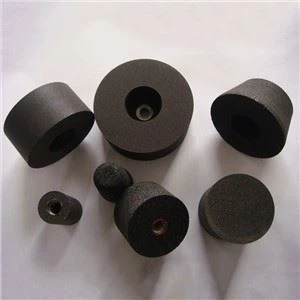

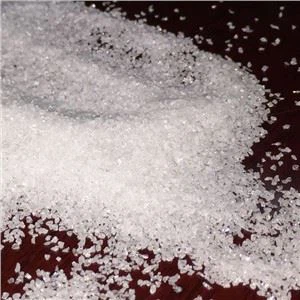

After the abrasive coat is applied, a size coat is added to improve the abrasive's cutting ability and reduce heat build-up during the sanding process.

Avoid high-speed operation

Coated abrasives are abrasive grains that are adhered to a backing material such as cloth, paper, or polyester film with a bonding agent. The grains are evenly distributed across the backing material, creating a sandpaper-like surface. The abrasive particles cut and remove material from the workpiece as it is passed over the coated abrasive. The backing material provides support and flexibility, allowing the coated abrasive to conform to the shape of the workpiece. As the abrasive particles wear down, fresh material is exposed, ensuring consistent cutting performance.
Our staff has been working on the field of abrasives for more than 20 years. Well-experienced technical and manufacturing resources will support your professional needs in a timely and cost effective manner.