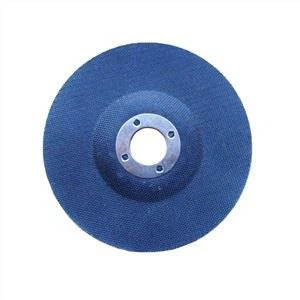
Disc de șlefuit lipit cu rășină
Resin bonded grinding wheels are wheels made of resin and reinforced with various materials such as fiberglass or carbon fiber. They are used for precision grinding of metals, ceramics, and other materials. Resin bonded wheels are known for their ability to produce a high-quality finish on the workpiece and can be used for both wet and dry grinding. They are commonly used in applications such as surface grinding, cylindrical grinding, and tool and cutter grinding.
Resin bonded grinding wheels are highly durable, making them ideal for use in high-volume production environments. They are resistant to wear and tear and can handle heavy loads, ensuring that they last longer than other types of grinding wheels.
Resin bonded grinding wheels have a lower tendency to generate heat during use, reducing the risk of thermal damage to the workpiece or the wheel. This makes them suitable for use in high-speed grinding applications.


24h online service
We try and respond to all concerns within 24 hours and our teams are always at your disposal in case of any emergencies.

The hardness of the grinding wheel determines how abrasive it is. A softer wheel will be less aggressive and better suited for finer work while a harder wheel will be better for heavy-duty grinding.
The quality of the grinding wheel can have an impact on its performance and lifespan. A higher-quality wheel may be more expensive but will ultimately save money in the long run by reducing downtime and the need to replace worn-out wheels.



Resin bonded grinding wheels are also used in the stone-cutting industry to cut, shape, and polish different types of stone, including marble, granite, and limestone.
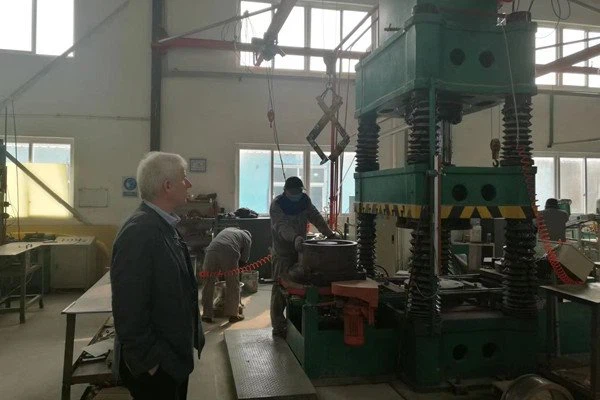
The first step in the process is to choose high-quality abrasive grains, synthetic resins, fillers, and other additives. The selection of raw materials depends on the application, such as metal grinding, stone polishing and cutting, or woodworking.
The biscuit is then placed in a curing oven, where it is heated at a high temperature, typically around 200-250 degree . During the curing process, the resin bonds to the abrasive grains, creating an interconnected network of sharp cutting edges.
Before using the resin bonded grinding wheel, check the label for its compatibility with the material to be cut or ground. Ensure that the wheel's size and RPM rating match the tool's specifications to avoid accidents due to over-speeding.
Inspect the wheel for any visible cracks, chips, or signs of wear and tear. Never use a damaged or worn-out wheel as it can break while in use, causing serious injury to the operator.
Ensure that the wheel is mounted correctly on the tool and tightened securely before use. Always use the correct flanges to mount the wheel and avoid over-tightening, which can damage the tool or the wheel.

Other additives such as curing agents, colorants, and lubricants may also be added during the manufacturing process of resin bonded grinding wheels, depending on the type of grinding operation or the end-use application.

Our staff has been working on the field of abrasives for more than 20 years. Well-experienced technical and manufacturing resources will support your professional needs in a timely and cost effective manner.